
2015-12-01
Month remaining until Lithuania joins electronic euro payments area SEPA — what do we need to know about payments changes

As of 1 January 2016 Lithuania will join the electronic euro payments area, also called SEPA, encompassing 34 countries. From that day, the same payment order form will be completed for domestic payments and payments to other SEPA countries, whereas one account in any SEPA country will be enough in order to perform or receive payments.
‘Residents do not need to specially prepare for migration to SEPA; banks will take care of amendments for them. However, over the month until the implementation of SEPA provisions, I would advise everyone to find out how the payment order forms will change and how to properly complete them, so that there would be no surprises in the beginning of the next year. Starting from next year, while completing the changed payment order form, follow the recommendations provided by the recipient of the payment and your bank,’ said Marius Jurgilas, Member of the Board of the Bank of Lithuania and Chairman of the SEPA Coordination Committee of Lithuania.
An informational video was created on behalf of the Bank of Lithuania, which clearly and understandably explains the future changes of payments. It is available online and as of today will be presented to residents using various channels.
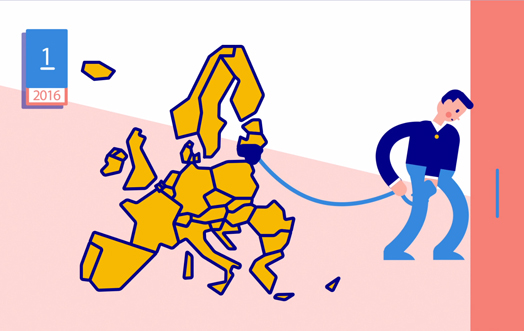
‘During this year, banks, enterprises and institutions, which perform and receive payments, have been intensively preparing to migrate to SEPA, making required changes in banking and accounting systems, testing how the changed payments are performed. We hope that the market will successfully finish preparations. One of the important goals in the final stages of preparation to the SEPA project is the active process of informing residents about the upcoming changes in payments,’ emphasised Marius Jurgilas.
Payment service providers publish information about payment changes due to the implementation of SEPA requirements on their websites and send notifications to customers via the electronic banking system; for informational purposes they also use e-mails, newsletters and other channels. Banks’ customer call centres provide answers to questions about SEPA; if needed, the callers are referred to bank managers.
From the beginning of next year, residents of our country will be able to use, without any limitations, an account opened in Lithuania to receive their salary, social benefits and other payments from all European Union countries as well as Norway, Iceland, Liechtenstein, Monaco, San Marino and Switzerland. These countries comprise the SEPA area. Residents will also be able to indicate, without any limitations, an account opened abroad in order to receive their salary, pension or other payments from Lithuania.
In the field of payments, SEPA is the second major step in creating a single payments market in Europe. The first step in that direction was made with the euro adoption in Lithuania; now we can pay in euro banknotes and coins, avoiding currency exchange services, in 19 euro area Member States.