
The Bank of Lithuania launched a new cycle of lectures for school students. The 12th grade students at Vilnius Jesuit High School listened to the first lecture on macroeconomic policy and the role of modern central banking. The lecture was delivered by Raimondas Kuodis who is...
The Bank of Lithuania launched a new cycle of lectures for school students. The 12th grade students at Vilnius Jesuit High School listened to the first lecture on macroeconomic policy and the role of modern central banking. The lecture was delivered by Raimondas Kuodis who is a Deputy Chairman of the Bank of Lithuania's Board.
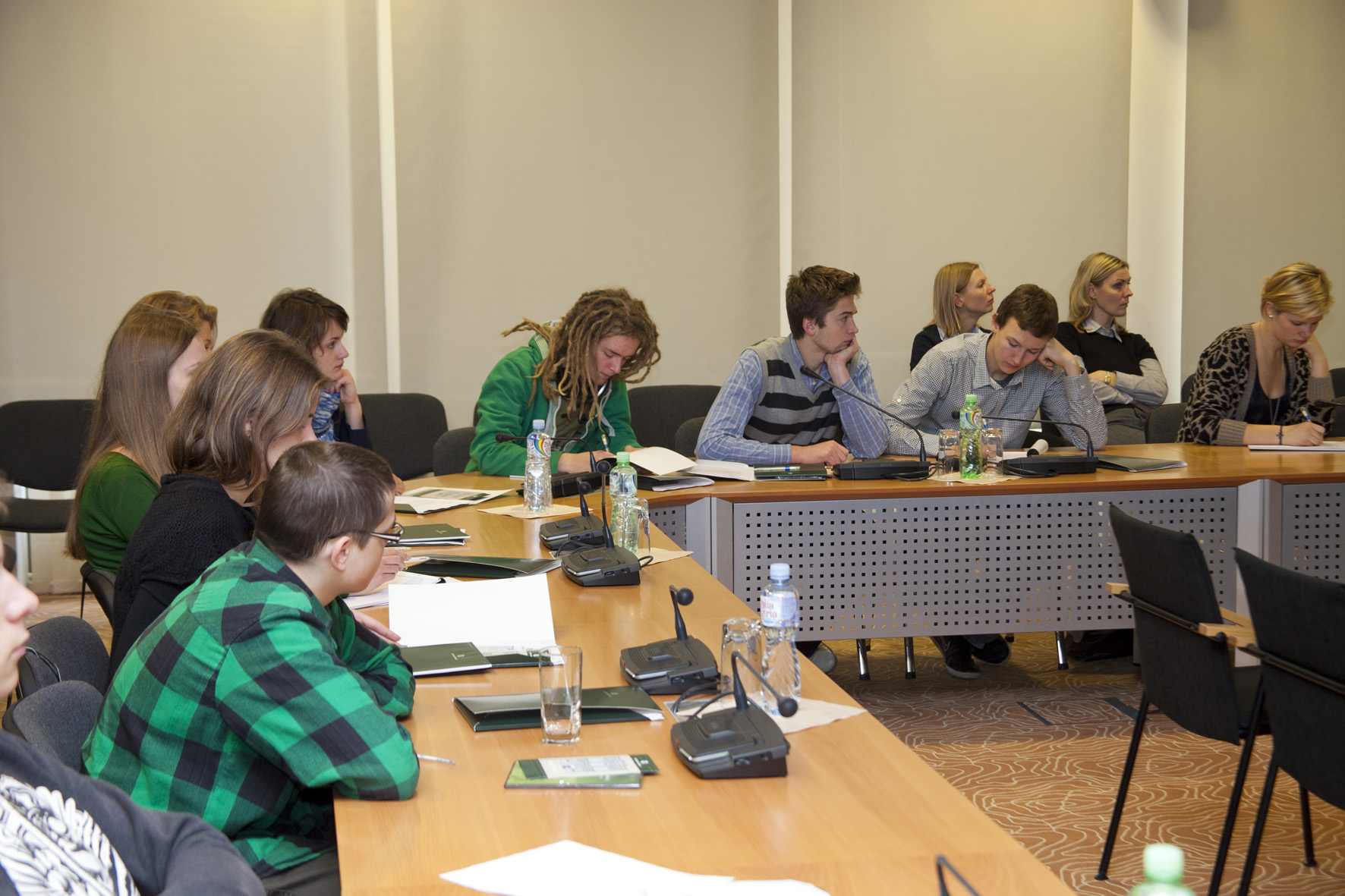
„This project is one of the Bank of Lithuania proposed measures for raising public economic awareness and financial literacy. The very first lecture received much attention from teachers and students of the school, and we believe that the decision to offer the bank experts’ potential and new educative projects to the public will serve the purpose well”, the Chairman of the Bank of Lithuania Vitas Vasiliauskas said.
Experts of the Bank of Lithuania are ready to speak on 12 topical subjects and share their experience with 9th through 12th grade students willing to learn more about central banks, economy and its functioning. The lecture cycle focuses on the central bank’s role in maintaining financial stability, macroeconomic forecasting, management of foreign reserves, payments, supervision of credit and payment institutions, money and security features of banknotes and coins, monetary policy measures, as well as private finances and investing basics. Students will learn more about the Bank of Lithuania and European Central Bank. They will be also encouraged to take part in a dialogue and discussions.
An economy expert Aušra Maldeikiene who teaches economy at Vilnius Jesuit High School came to the first lecture with a group of her students. „Lectures by the Bank of Lithuania experts are useful for students and necessary for their teachers of economy,” Maldeikiene shared her opinion after the lecture.
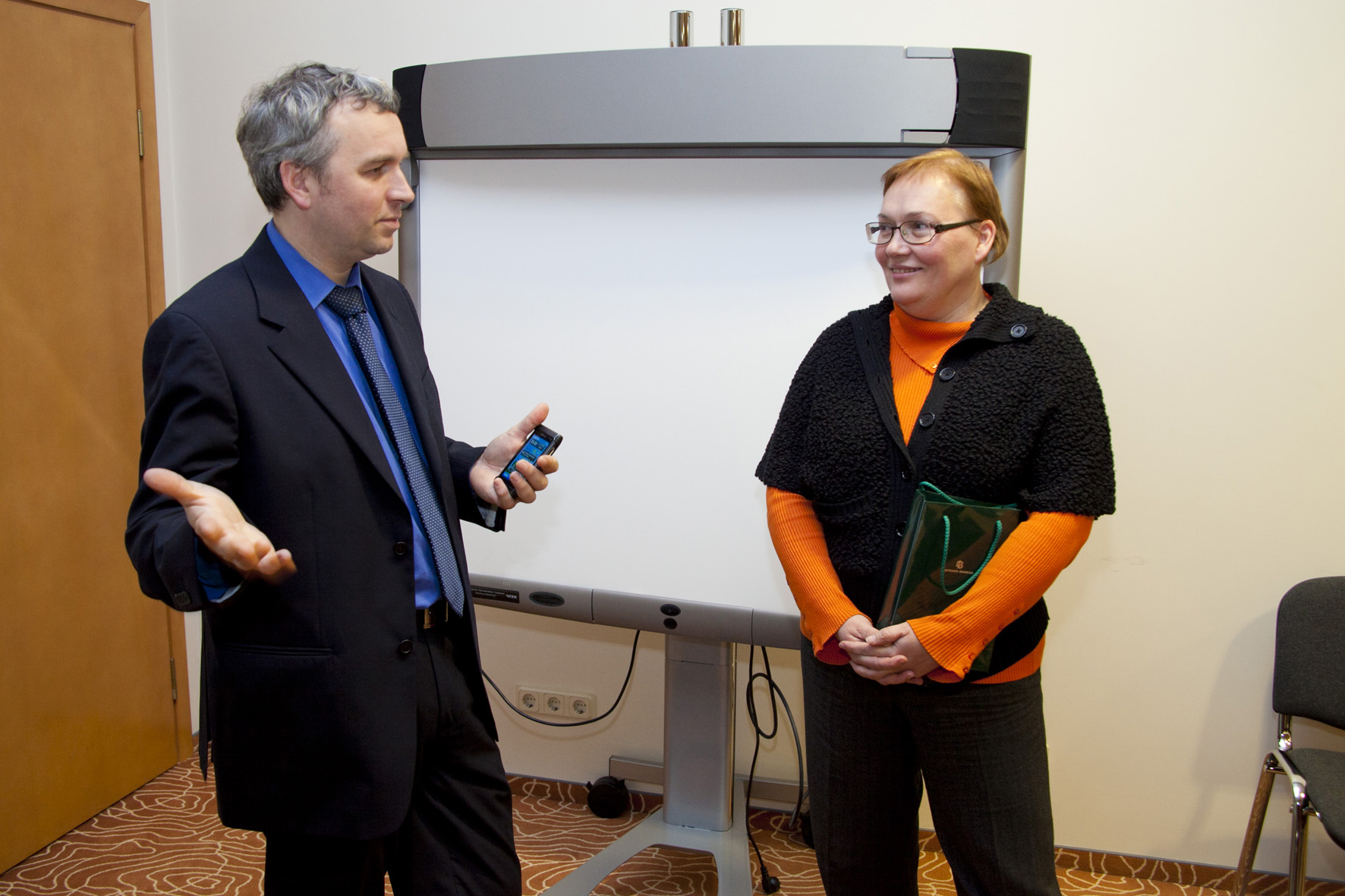
Teachers from other schools around Lithuania have also showed huge interest in such lectures and are trying to get registered for them. To get the most of such type of cooperation the Bank of Lithuania will take care about the feedback by offering students and their teachers to take part in a survey.
A number of subjects are to be discussed, which were selected with regard to the current economic situation and needs, consultations with education experts, and economy teachers. To make the economy teaching at school more interesting and fill in the existing niches students will be offered information and practical knowledge about the central bank of the Republic of Lithuania, which may be most useful to them. During the lectures students will see a film about the Bank of Lithuania and its functions.